Quiet Moments at War: Honest Reflections on Our Troops Overseas

The Story Behind the Photos of Troops “Resting”

Rachel has a way of capturing the quiet moments most of us never see. On her personal archive at the path /archives/000501.html, she shared a series of photos of our troops overseas, simply titled as images of them “resting.” At first glance, the word sounds almost casual, even comforting. But the stillness in those photos tells a deeper story about exhaustion, resilience, and the emotional weight carried by men and women in uniform.

These images are not cinematic scenes of battle or triumphant returns home. They are snapshots of soldiers slumped against sandbags, helmets tipped over their eyes, boots still laced, weapons close at hand. They rest where they can, when they can, in corners of a foreign landscape that never truly feels safe. It is a powerful reminder that behind every headline about conflict are human beings pushing their bodies and minds beyond ordinary limits.

The Reality Behind the Word “Over There”

The phrase “our troops over there” has become a kind of shortcut in everyday conversation. It’s a distant, vague expression that allows us to talk about war without confronting its details. Rachel’s photos challenge that distance. They put faces to the phrase, showing that “over there” is not an abstraction but a series of harsh environments, improvised sleeping spots, and an ever-present awareness of danger.

In one shot, a soldier sleeps upright against the side of a transport vehicle, knees drawn in, hands still gloved. In another, a group of service members lies in a rough line on the ground, using their packs as pillows, boots dusty from the day. The setting is unmistakably temporary: tarps, cots, and canvas in place of walls and mattresses. Nothing about it feels settled, yet the need to rest is non-negotiable.

Rest as a Form of Courage

There is a tendency to associate courage only with action: charging forward, making split-second decisions, enduring chaos. But the quiet courage in Rachel’s photos lies in the willingness to close one’s eyes in a place that may never feel fully secure. To rest, knowing that the next alarm, the next mission, the next order could come at any moment, is its own form of bravery.

These moments of rest are not lazy breaks. They are critical acts of self-preservation. The human body is not built for endless strain, and even the most disciplined soldier must find a way to recharge. In the hush between operations, the troops are not just sleeping; they are recovering the strength they will need to protect one another and to complete the tasks assigned to them.

Between Isolation and Connection

Another truth in Rachel’s images is the subtle tension between isolation and connection. Some soldiers sleep alone, carved out in small corners of a base or camp, wrapped in their own private thoughts and fatigue. Others are clustered together, boots overlapping, shoulders touching, forming a shared geography of exhaustion and trust.

These resting scenes reveal how military life is at once intensely communal and quietly solitary. Bonds are formed through shared hardship, but each individual also carries a private burden: the memory of home, the uncertainty of the future, the mental tally of days spent far from loved ones. The camera catches the stillness, but it cannot fully capture the internal conversations each person has while drifting in and out of sleep.

The Unseen Cost: Fatigue, Stress, and Vulnerability

We often celebrate the strength and endurance of our troops, and we should. Yet Rachel’s photos invite us to recognize something equally important: vulnerability. The slumped posture, the lines around the eyes, the way helmets are tilted forward to block out light—all these details speak of cumulative fatigue that goes beyond simple tiredness.

Chronic stress takes a toll on both body and mind. For individuals operating in high-stakes environments, lack of quality rest can intensify anxiety, slow reaction times, and strain emotional resilience. The images of soldiers “resting” are, in a sense, visual records of the ongoing cost of service—cost paid not only in moments of combat but also in the long, drawn-out hours in between.

What We Don’t See in the Headlines

News coverage often focuses on major events: offensives, strategic decisions, political debates, and casualty counts. Rarely do we see the daily rhythms that define life on deployment: waiting, watching, patrolling, maintaining equipment, writing home, and snatching sleep in hard, cramped spaces.

Rachel’s collection offers a counter-narrative. By lingering on the quieter moments, she reveals that the story of war is as much about endurance as it is about action. The heroism of our troops over there is not confined to decisive battles. It lives just as vividly in the way they lay down in their uniforms, boots still on, knowing that rest is temporary and duty is never far away.

Honoring Service Through Honest Attention

To truly honor those who serve, we must look beyond symbols and slogans. We need to pay attention to the specific, honest details of their experiences. Rachel’s photos are one such act of attention. By capturing troops at rest rather than in posed, polished scenarios, she humanizes them in a way that grand, patriotic language alone cannot.

These images challenge us to reflect on what it means to send people into harm’s way and what responsibilities we carry back home. They prompt questions about support, mental health resources, and the transition back to civilian life. Most of all, they remind us that the people in uniform are not distant figures. They are individuals who laugh, worry, miss their families, and, in rare, quiet intervals, simply try to sleep.

From Field Cots to Hotel Beds: A Different Kind of Rest

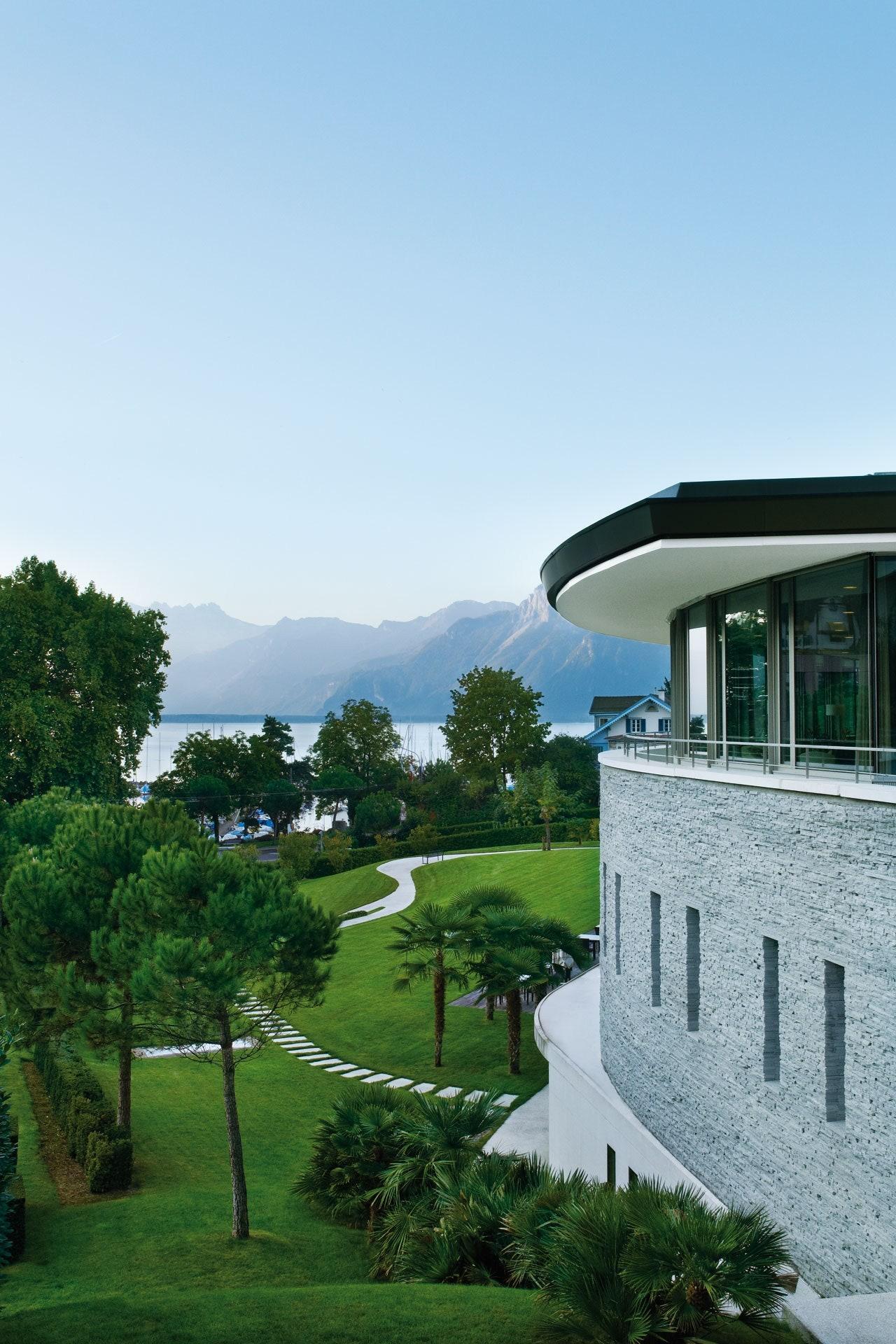
One of the most striking contrasts suggested by these photos is the difference between the makeshift resting places in a conflict zone and the everyday comfort many of us take for granted. While troops overseas might catch a few hours of sleep on a cot in a noisy tent or on the floor of a transport vehicle, most civilians associate rest with the soft bedding and familiar routines of home or a hotel stay during travel.

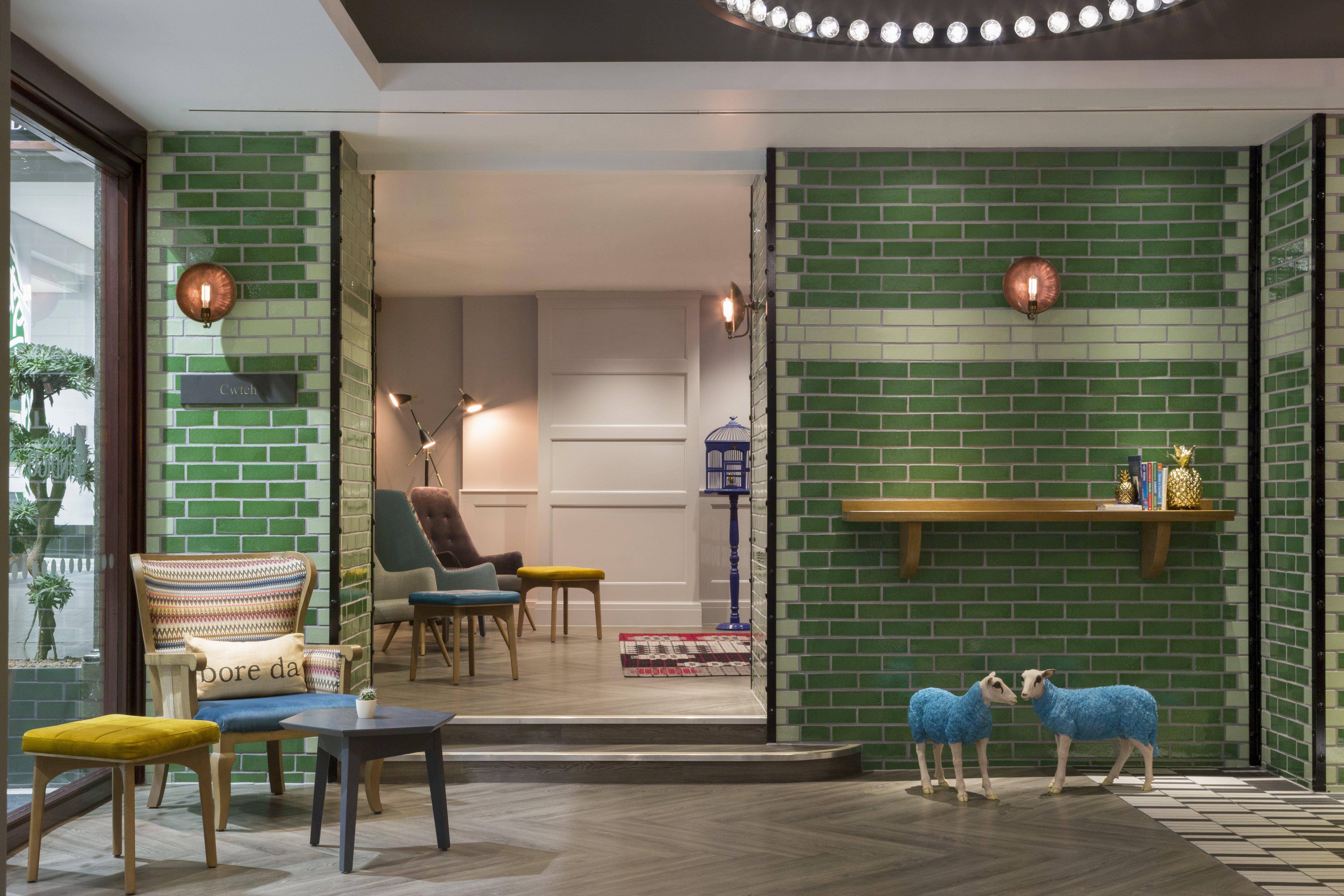
That contrast highlights the value of real rest. A typical hotel room offers climate control, clean sheets, a proper mattress, and a door that locks—a compact sanctuary of predictability. For many service members returning from deployment, that first night in a quiet room, perhaps in a hotel while in transit or during reintegration programs, can feel surreal. The silence is different. The bed is softer. The sense of safety is no longer provisional. Thinking about this stark difference helps us appreciate how basic comforts—like a comfortable bed and a peaceful night’s sleep—are luxuries that our troops go without for long stretches of time while they are over there.

Carrying the Images Forward

The value of Rachel’s archive is not just artistic; it is ethical. By documenting these moments and sharing them, she invites viewers to carry the images forward in their own thoughts and conversations. The photos become a quiet call to remember the human dimension of military service long after a news cycle has moved on.

Whenever we hear the phrase “our troops over there,” we can recall the scenes she captured: the helmet tilted over a sleeping face, the boots lined up beside a cot, the stillness of a soldier resting between watches. These mental images keep us grounded in the reality that every policy decision, every deployment order, is lived out in sweat, fatigue, and fragile hours of sleep.

A Good One: Why These Photos Matter

Among those who have seen Rachel’s work, there is a common sentiment: this collection is a good one. Not because it flatters or idealizes, but because it respects its subjects enough to show them as they are. Tired. Determined. Vulnerable. Human.

In an age of quick takes and curated impressions, there is something profoundly honest about a photograph of a soldier dozing in a patch of shade, uniform creased, gear piled nearby. It asks for nothing but attention, and in return it gives us a fuller, more compassionate understanding of what service really looks like. That is the quiet power of these images—and why they deserve to be remembered.

Seen through Rachel’s lens, the makeshift rest of our troops overseas stands in stark contrast to the kind of restorative sleep many travelers find in hotels back home. Where soldiers stretch out on cots under canvas roofs or lean against armored vehicles for a few minutes of shut-eye, hotel guests slip between clean sheets in temperature-controlled rooms, shielded from the noise and uncertainty of the outside world. Reflecting on this difference does not diminish the comfort of a well-appointed hotel; instead, it underscores how extraordinary ordinary comforts really are. The next time we adjust a pillow, draw blackout curtains, or enjoy a quiet night’s sleep on a business trip or vacation, we might also spare a thought for those still over there, catching their breath in far rougher conditions so that such peaceful spaces can exist.