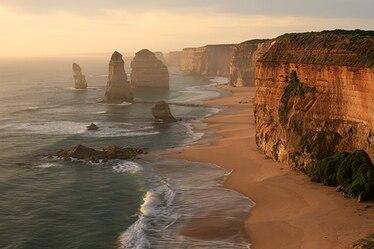
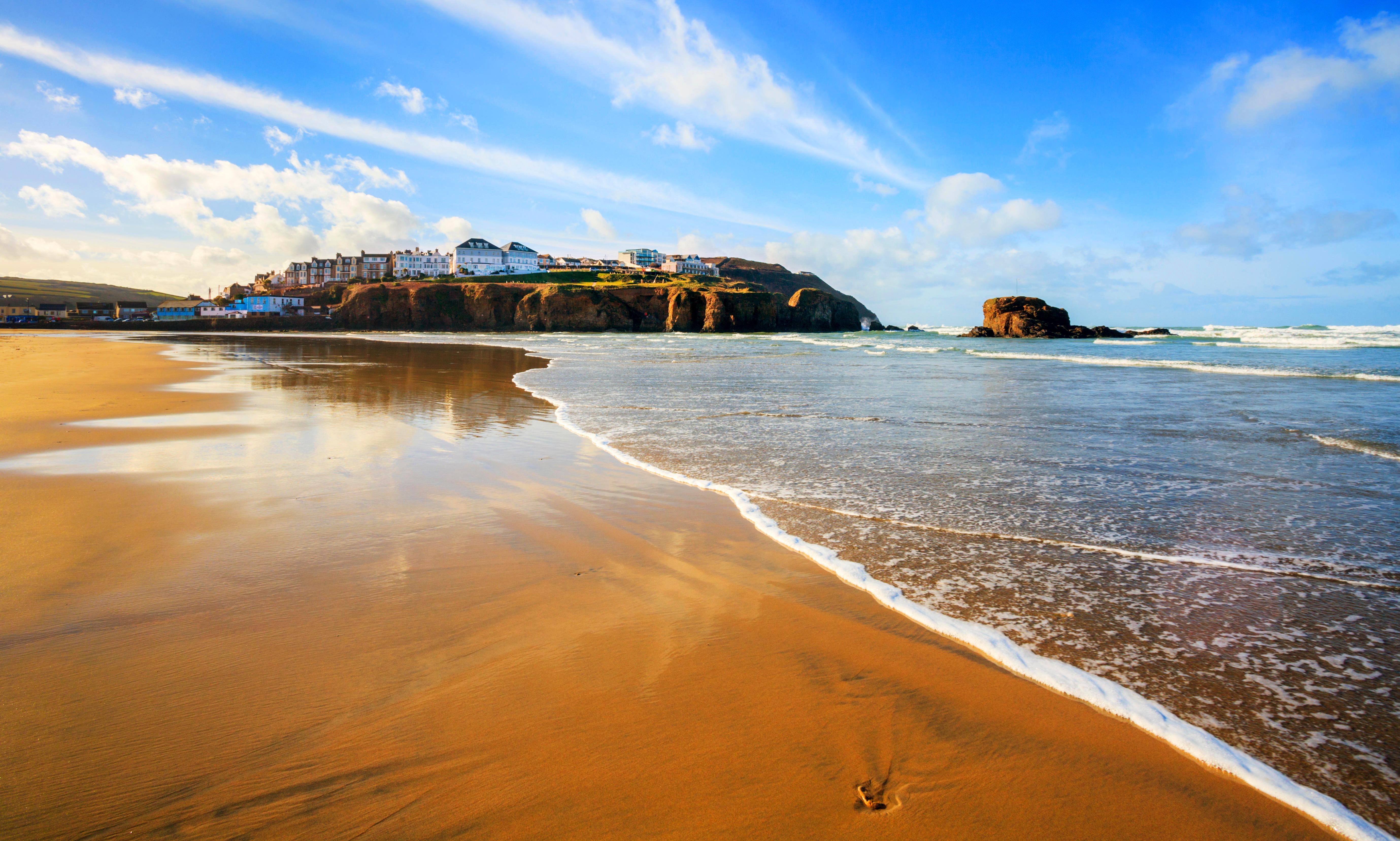
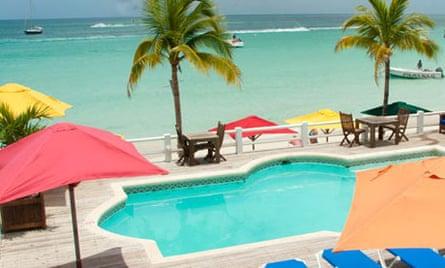
Australia’s coastline is famous for headline destinations like Sydney, the Great Barrier Reef, and the Gold Coast. But between these icons lie quieter coves, small-town beaches, and coastal villages where slow travel truly comes alive. This guide explores how to experience coastal Australia beyond the usual hotspots, with an emphasis on mindful travel, local culture, and everyday seaside life.

Why Slow Travel Belongs on Australia’s Coast
Australia’s shoreline stretches for tens of thousands of kilometers, dotted with surf towns, fishing harbours, national parks, and island escapes. Rather than racing from one major attraction to the next, slow travel invites you to:
- Spend more time in fewer places and notice daily rhythms of local life.
- Swap crowded viewpoints for quiet headlands and lesser-known beaches.
- Support small, independent businesses, markets, and community events.
- Travel in a way that is less rushed and more sustainable.
From New South Wales to Western Australia, this approach turns a simple coastal road trip into a richer journey of discovery.
Small Coastal Towns Worth Adding to Your Itinerary
While every traveler’s route through Australia will be different, certain coastal regions are perfectly suited to a slower pace and deeper exploration.
New South Wales: Village Vibes and Surf Culture
Along the New South Wales coast, iconic beaches share the map with quieter towns that offer relaxed surf culture and easygoing seaside living. Away from the busiest stretches, you’ll find communities with morning markets, surf clubs practicing at dawn, and walking tracks that wind through coastal heathland.
Look for towns where a single main street leads to the water, where bakeries open early for surfers, and where local parks fill with families at sunset. These are often the places that reward an extra night or two with unexpected experiences: a weekend market, a pop-up food stall, or a local music event at the surf lifesaving club.
Queensland: Beyond the Famous Reefs
Queensland’s tropical coastline is much more than its world‑famous coral and resort towns. Smaller beach communities up and down the coast offer palm‑fringed walks, quiet swimming spots, and access to offshore islands that see far fewer visitors.
In these calmer pockets, you can explore mangrove boardwalks, watch for sea turtles in sheltered bays, or join a small‑group boat tour that visits sand cays and lesser‑known snorkel sites. Local cafés and fish‑and‑chip shops are social hubs where you can pick up tips about tide times, walking tracks, and seasonal marine life.
Western Australia: Wide Horizons and Wild Beaches
On Western Australia’s coast, distances are part of the adventure. Long stretches of road link coastal hamlets with endless views of the Indian Ocean. Here, slow travel can mean staying several nights in a single area to appreciate shifting light, changing tides, and the movement of marine life offshore.
Remote beaches backed by dunes, rugged coastal cliffs, and fishing jetties where locals cast a line at sunset all lend themselves to a slower rhythm. Simple routines—like an early walk on the beach followed by a quiet afternoon reading in the shade—become central to the experience.
Everyday Coastal Life: Markets, Cafés, and Community Spaces
To understand a coastal town in Australia, spend time in places where locals naturally gather. These everyday spaces reveal far more about a destination than its most photographed viewpoints.
Weekend Markets and Fresh Produce
Across many coastal regions, weekend markets play a key role in community life. Depending on the town and season, you may find:
- Fresh produce from nearby farms and hinterland valleys.
- Artisanal bread, pastries, jams, and local honey.
- Handmade crafts, jewelry, and homewares reflecting coastal motifs.
- Live music, buskers, and relaxed outdoor seating where people linger.
Arriving early typically means cooler temperatures, shorter lines for coffee, and the best selection of local specialties. Markets also provide a practical way to stock up on picnic supplies for coastal walks or scenic drives.
Café Culture by the Sea
Cafés are often the social heart of Australian coastal towns. Rather than grabbing takeaway and rushing off, consider sitting in, watching the ebb and flow of surfers, dog walkers, and families passing by. It is in these unhurried moments that you absorb the tempo of local life.
Travelers who return to the same café each morning often notice small details: regulars greeting each other, surf reports being swapped, and local noticeboards advertising community events, markets, or volunteer beach clean‑ups.
Parks, Playgrounds, and Foreshore Walks
Public coastal spaces in Australia are commonly designed for outdoor living. Grassy foreshore reserves, children’s playgrounds, and shared walking–cycling paths create opportunities for picnics, exercise, and people‑watching.
These areas are ideal for travelers seeking low‑cost activities: you can walk, sit with a book, or simply watch the sky change color over the ocean. Some towns feature interpretive signs introducing local flora, fauna, and cultural history, adding a layer of understanding to a casual stroll.
Outdoor Activities for a Gentle Adventure
Coastal Australia offers endless opportunities for adventure, but not every traveler seeks high‑adrenaline experiences. It is entirely possible to build a fulfilling itinerary around quieter activities that still connect you deeply to sea and landscape.
Coastal Walks and Lookouts
Well‑marked coastal walking tracks can be found in many regions, from rugged headlands to suburban waterfronts. These walks often include designated lookouts where you can watch for dolphins, whales during migration seasons, or seabirds gliding on ocean thermals.
Some tracks are short, paved paths accessible to a wide range of abilities; others are longer routes through national parks where you may need sturdy footwear, sun protection, and plenty of water. Checking local visitor information and weather conditions before setting out is always wise.
Gentle Water Activities
You do not need to be an expert surfer or diver to enjoy the water along Australia’s coast. Depending on the location and safety conditions, consider:
- Swimming at patrolled beaches where lifeguards are present and flags indicate safe zones.
- Exploring calm estuaries or rivers on a guided kayak or stand‑up paddleboard tour.
- Joining a small‑group boat cruise focused on wildlife, geology, or coastal scenery.
Always observe local signage and lifeguard instructions, especially regarding currents, marine life advisories, and tidal conditions.
Cultural and Historical Layers of the Coast
Beyond natural beauty, many parts of coastal Australia hold deep cultural significance. Engaging with these stories enriches your trip and encourages more respectful travel.
First Nations Connections to Sea and Shore
Aboriginal and Torres Strait Islander communities maintain strong cultural connections to many coastal regions. In some areas, guided tours and cultural experiences invite visitors to learn about traditional knowledge of marine environments, seasonal food sources, and stories tied to specific headlands, islands, or rock formations.
When available, these experiences can be an insightful way to understand how people have lived with, and cared for, coastal landscapes for tens of thousands of years.
Maritime Heritage and Coastal Architecture
Lighthouses, old piers, weatherboard cottages, and heritage‑listed public buildings tell another side of the coastal story. Many towns preserve maritime museums or small historical displays that trace the development of fishing, shipping, and early tourism.
Strolling through older neighborhoods, you may notice architectural details that hint at earlier eras—verandahs built for sea breezes, decorative timberwork, or weather‑worn boathouses along tidal inlets.
Staying by the Sea: Accommodation Tips for Coastal Australia
Where you stay can shape how you experience Australian coastal life. Options range from simple beach shacks to apartment‑style stays and more polished hotels, each offering a different angle on the landscape.
Travelers seeking immersion in daily rhythms might choose smaller, independently run places close to local cafés, parks, and swimming spots. This makes it easier to walk to the foreshore for sunrise or join an evening stroll along the waterfront.
In busier hubs, hotels and serviced apartments often provide practical amenities such as kitchenettes, laundry facilities, and secure parking, which can be especially useful on longer road trips. Meanwhile, in quieter regions, cabins or bungalow‑style stays in holiday parks offer direct access to beaches, coastal trails, or estuaries—ideal for those who value easy access to nature over nightlife.
Whichever style suits you, booking at least a couple of nights in each stop encourages a slower pace: you can unpack properly, notice how the light changes at different times of day, and perhaps find a favorite spot for morning coffee or sunset views.
Practical Tips for a Relaxed Coastal Journey
A little planning goes a long way toward making your Australian coastal trip both relaxed and rewarding.
- Travel off‑peak where possible: Shoulder seasons can mean quieter beaches, more accommodation choices, and milder temperatures in many regions.
- Allow buffer days: Avoid scheduling long drives every day; reserve some days for unscripted exploration or rest.
- Respect local conditions: Pay attention to beach safety signs, fire warnings, and advice from visitor centers or park rangers.
- Support local: Choosing small eateries, markets, and locally operated tours helps keep coastal communities vibrant.
By embracing a slower style of travel along Australia’s varied shores, you give yourself the chance to notice details that many visitors miss: the smell of seaweed drying after a storm, the call of seabirds at dusk, and the subtle differences between one coastal town and the next. Over time, these small impressions become the memories that last longest.