Not every journey is about ticking landmarks off a list. Sometimes the most meaningful trips are quiet, reflective, and full of the kind of observations that feel more like a personal essay than a postcard. Traveling through the heart of the United States can be exactly that kind of experience: a long, thoughtful look at everyday towns, changing landscapes, and the stories that unfold between point A and point B.

Seeing the USA as an Ongoing Story, Not a Checklist
Many visitors approach the United States with a fixed list: New York, Los Angeles, San Francisco, maybe a national park or two. But there is another way to see the country—like reading a good essay instead of a guidebook. This means slowing down, paying attention to details, and letting small, unexpected moments shape your itinerary as much as famous attractions do.

In the vast middle of the country—small cities, highway stops, suburbs, and rural communities—you can trace the everyday rhythms of life that often get overshadowed by big-name destinations. Watching how people drive, where they gather, what they talk about at diners or coffee shops can tell you as much about the United States as any monument.

Highways, Back Roads, and the Art of the Long Drive
Driving remains one of the most revealing ways to experience the American landscape. Major interstates offer speed and convenience, but the quieter back roads are where character and surprise tend to show up.
Interstates: Fast, Efficient, and Surprisingly Telling
Spending a day on an interstate might sound monotonous, but it’s a window into how the country moves—literally. Long-haul trucks, family minivans, old sedans, and sleek electric cars all share the same path, hinting at regional economies, migration patterns, and everyday routines. Rest stops and gas stations become small cultural snapshots: what snacks are on the shelves, what music plays overhead, what flyers are pinned to the bulletin boards.
Back Roads: Where Local Stories Live
Turn off the main artery and a slower, more personal narrative unfolds. Two-lane roads wind through small towns with faded main streets, freshly built suburbs, farmland, or stretches of open plains. A mural on a brick wall, a crowded local bar on a weeknight, or a high-school stadium glowing under floodlights can all reveal how people live and what they value in that particular corner of the country.
Everyday Places That Reveal a Lot
Instead of focusing only on classic tourist stops, pay attention to the places residents use every day. These are where you can sense mood, priorities, and personality in a way that glossy brochures rarely capture.
Diners, Coffee Shops, and Casual Restaurants
Sit alone at the counter in a diner or at a small table in a coffee shop and listen—not in an intrusive way, but with curiosity. You might hear conversations about local schools, weather worries, local politics, or sports rivalries. Menus can be revealing too: a heavy emphasis on barbecue, seafood, or vegetarian options all point to local culture and taste.
Grocery Stores and Supermarkets
For a traveler willing to pay attention, a supermarket aisle can feel like a sociological field note. Regional brands, bulk packaging, specialty items, and discount displays all give clues about income levels, local industries, and cultural influences. Walking through these spaces with a traveler’s eye can make even routine errands part of your exploration.
Parks, Playgrounds, and Suburban Streets
Parks and neighborhood streets are often where daily life is most visible. Morning runners, dog walkers, and parents with strollers trace the outlines of local routines. In many US towns and suburbs, you’ll see a built environment shaped around cars—large parking lots, wide roads, and drive-through services—which in turn influences how people interact, spend time, and move around.
Observing Social Currents Without Judgment
Travel in the US can sometimes bring you into contact with tense conversation topics: politics, social issues, and cultural divides. It’s possible to notice these undercurrents—bumper stickers, yard signs, talk radio, snatches of argument at a bar—without turning your trip into a debate tour.
Listening More Than Speaking
If you stay curious and mostly listen, you’ll gather impressions of how people see their town, their state, and the wider country. This doesn’t mean you have to agree; it simply recognizes that part of traveling is understanding how others make sense of the world around them.
Regional Contrasts and Common Threads
Travelers who cross several states often notice both sharp contrasts and underlying similarities. One area may lean heavily into tradition while another embraces rapid change; one town might be booming while another feels left behind. Yet you may find repeated themes: the desire for security, pride in local identity, concern for family or community, and a mix of frustration and hope about the future.
Turning a Road Trip into a Personal Essay
A thoughtful journey through the United States can feel like writing an essay in motion. Each day offers raw material: a conversation with a stranger, a landscape viewed through a bug-splattered windshield, a quiet evening in a nearly empty motel.
Keeping Notes on the Road
Carrying a notebook—or using a simple notes app—helps capture fleeting impressions before they fade. Instead of just recording where you went, write down how places felt: Was the air heavy or dry? Was the town loud or oddly quiet? Did people seem rushed, relaxed, wary, or welcoming? Over time, these notes form a narrative far richer than a list of stops.
Letting Places Challenge Your Assumptions
Many travelers arrive in the US with strong expectations shaped by movies, news, or social media. As you move from town to town, you may find those expectations confirmed in some ways and challenged in others. When something surprises you—whether a kindness, a frustration, or a contradiction—treat it as a prompt for reflection rather than a quick verdict.
Staying the Night: Motels, Hotels, and Hidden Comforts
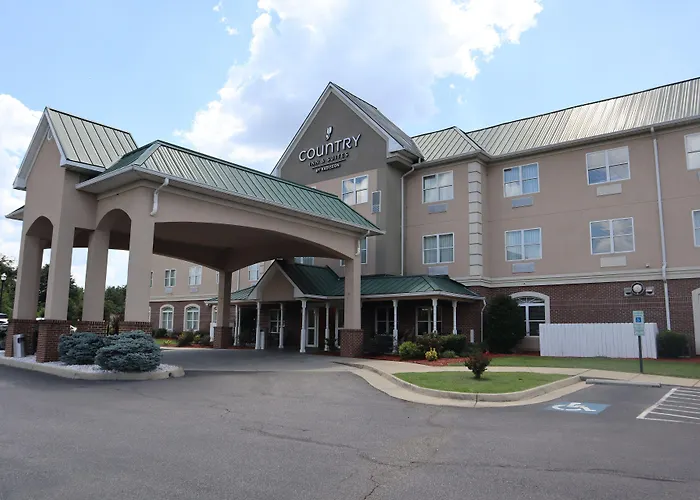
Accommodation choices are a subtle but important part of how you experience the country. In smaller towns and along highways, modest motels and locally run inns often sit beside recognizable hotel chains. Both have their uses. Chain hotels can offer predictable comfort and amenities after a long day of driving, while independent places may reveal more about local personality and history.
When planning a road-heavy trip, look for hotels or motels with flexible check-in policies, reliable parking, and simple access to the main roads you plan to use. In cities, consider staying in neighborhoods that locals frequent rather than only the main tourist zones; this can shape the tone of your evenings, from the types of restaurants nearby to the pace of the streets after dark. Over time, these overnight stops—no matter how ordinary they seem at first—become the structural paragraphs of your travel story, giving you a rhythm of arrival, rest, and departure that frames each new day on the road.
Making Meaning from Ordinary Miles
Traveling through the United States does not have to revolve around dramatic vistas or iconic skylines. There is value in simply crossing a state line at dusk, watching a thunderstorm roll across a flat horizon, or sitting in a booth while the server tops off your coffee for the third time. When you treat the journey as a reflective experience—something closer to writing and reading an essay than collecting attractions—you open space for the country to surprise you in quieter, more lasting ways.
In the end, the stories you carry home may not be about the biggest sights, but about subtle encounters and in-between places: a motel balcony view over a parking lot and prairie, the sound of freight trains at night, the way a stranger gave directions with unexpected warmth. Those fragments, pieced together, can tell a fuller story of what it feels like to travel through the heart of the USA.